
Basic Nutrition for Runners
As a runner, your body requires specific nutrients to perform at its best. Proper nutrition can enhance performance, improve recovery, and promote overall health. This comprehensive guide to essential nutrition principles for runners will help you understand what to eat, when to eat it, and how to ensure you're fueling your body effectively.
Key takeaways
- Understand the importance of carbohydrates, proteins, and fats in your diet.
- Hydration is crucial both during and after runs.
- Timing your meals can help optimize performance and recovery.
- Incorporate vitamins and minerals for overall well-being.
- Explore various nutritious foods that can benefit runners.
Understanding your macronutrients
A balanced diet for runners should include three key macronutrients: carbohydrates, proteins, and fats. Each plays a different role in supporting your running routines.
| Macronutrient | Role | Sources |
|---|---|---|
| Carbohydrates | Primary energy source during runs | Pasta, rice, fruits, vegetables |
| Proteins | Muscle repair and recovery | Chicken, fish, eggs, legumes |
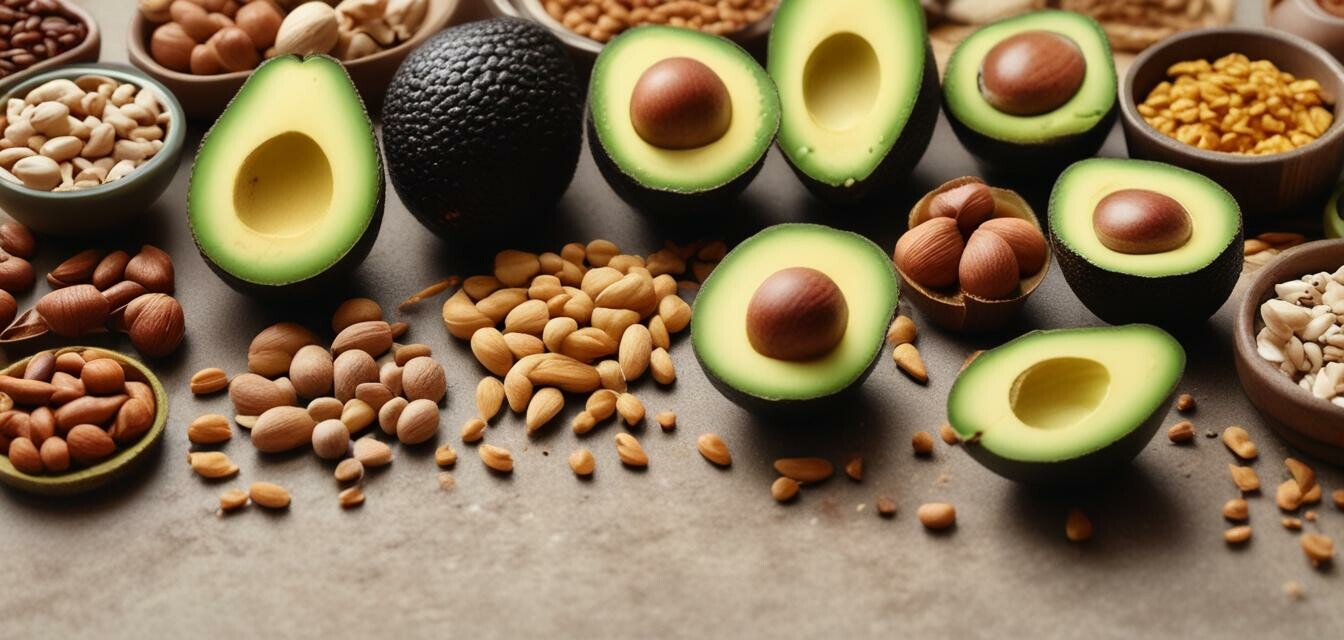
| Fats | Long-term energy and vitamin absorption | Nuts, seeds, avocados, olive oil |
Carbohydrates: The Backbone of Your Diet
Carbohydrates are crucial for runners as they provide the energy needed for training and performance. Here's how to incorporate them into your diet:
- Complex Carbs: Focus on whole grains, fruits, and vegetables.
- Simple Carbs: Quick sources of energy such as sports drinks or gels during long runs.
- Pre-run Meal: Consume a carbohydrate-rich meal 2-3 hours before running.
Proteins: For Repair and Recovery
Protein is vital after workouts to aid in muscle repair. Aiming for a diverse protein source can enhance recovery.
- Post-run Snacks: Include a protein shake, yogurt, or a protein bar.
- Daily Intake: Incorporate lean meats, fish, and plant-based proteins in your meals.
Essential fats: For Sustained Energy
Healthy fats should not be overlooked. They provide a concentrated source of energy and support various bodily functions.
Hydration: More than Just Water
Staying hydrated is crucial for all aspects of your performance. Here's how to manage hydration:
- This may include: Water, electrolyte drinks, and consuming water-rich foods.
- Before Runs: Drink approximately 16-20 ounces of water 2-3 hours before starting.
- During Long Runs: Take small sips every 15-20 minutes and consider electrolyte replacement products.
Timing Your Meals
Timing your meals effectively can bolster your energy levels during runs. Here are tips on meal timing:
| Time Before Run | Suggested Foods |
|---|---|
| 2-3 hours | Complex carbohydrates like oatmeal or whole grain pasta. |
| 30-60 minutes | A piece of fruit or a low-fiber granola bar. |
Vitamins and Minerals: The Unsung Heroes
Vitamin and mineral intake is essential for runners. Consider the following:
- Iron: Crucial for oxygen transportation. Include spinach, red meat, and legumes in your diet.
- Calcium: Important for bone health. Dairy products, leafy greens, and fortified foods can help.
- Magnesium: Supports muscle function. Nuts, seeds, and whole grains are excellent sources.
Healthy Snacking Ideas
Snacks can keep your energy up between meals. Here are some suggestions:
- Greek yogurt with honey and nuts.
- Rice cakes with almond butter.
- Fruit smoothies blended with spinach and protein powder.
Explore More in Running Nutrition
If you want to dive deeper into specific categories of nutrition for runners, consider exploring our additional resources:
- Electrolyte Replacement Drinks
- Energy Gels and Chews
- Hydration Systems
- Protein Supplements
- Recovery Tools
Conclusion
As a runner, understanding and implementing basic nutrition can significantly influence your performance and overall health. Pay attention to your macronutrient balance, stay hydrated, and eat a variety of nutrient-dense foods. By integrating these principles into your daily routine, you can take your running to new heights.
Pros
- Improved performance with optimal nutrition intake.
- Faster recovery between runs.
- Balanced meals help maintain energy levels.
Cons
- Need for meal planning and preparation.
- Can be challenging to maintain during busy schedules.