
Common Nutrition Mistakes
Key Takeaways
- Hydration is essential for optimal performance.
- Proper carbohydrate intake fuels your runs.
- Ignoring recovery nutrition can hinder progress.
- Individual dietary needs vary among athletes.
- Over- or under-consumption of protein can affect muscle recovery.
Nutrition plays a crucial role in a runner’s performance and recovery. Unfortunately, many runners fall into common nutritional traps that can hinder their success. In this article, we will explore these mistakes and provide guidance on how to avoid them. Here’s how you can ensure your nutrition supports your running goals.
The importance of hydration
Hydration is one of the most critical aspects of a runner’s nutrition. Many runners underestimate their fluid needs, which can lead to fatigue and decreased performance. Therefore, understanding the importance of hydration is crucial.
| Fluid Needs | Causes of Dehydration | Signs of Dehydration |
|---|---|---|
| Varies per individual, but generally 2-3 liters per day | Hot weather, long runs, inadequate fluid intake | Thirst, dark urine, fatigue |
Recommended practices for hydration
- Drink water before, during, and after runs.
- Consider electrolyte replacement drinks, especially for longer runs. Check our electrolyte replacement drinks for options.
- Monitor urine color as an indicator of hydration status.

Misunderstanding carbohydrate intake
Carbohydrates are key fuel sources for runners. Many athletes overlook their carbohydrate needs, leading to low energy levels during workouts.
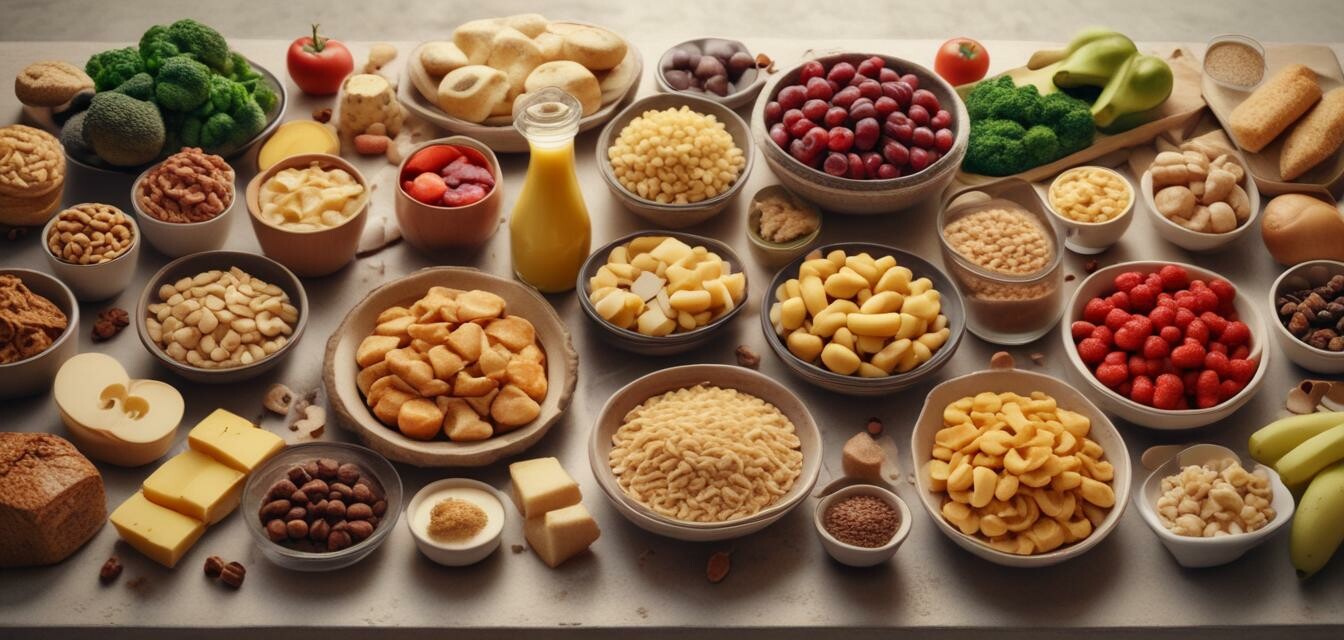
Carbohydrate-rich food options
- Whole grains: brown rice, oatmeal, and quinoa
- Fruits: bananas, berries, and apples
- Vegetables: sweet potatoes and carrots
Ignoring recovery nutrition
Recovery is a vital part of any training program, and nutrition is a crucial aspect of that recovery process. Consuming the right nutrients after a run can significantly enhance recovery times and muscle repair.
Pros of Proper Recovery Nutrition
- Enhances muscle repair and recovery.
- Reduces risk of injuries.
- Improves subsequent performance.
Cons of Neglecting Recovery Nutrition
- Increased muscle soreness and fatigue.
- Slower recovery times.
- Reduced performance in future workouts.
Key nutrients for recovery
Ensure your post-run meals include:
- Protein for muscle repair
- Carbohydrates to replenish glycogen stores
- Healthy fats for overall health
Individual dietary needs
Each runner has unique dietary requirements depending on several factors like weight, age, sex, and training intensity. Thus, there's no one-size-fits-all approach to nutrition.
How to assess your dietary needs
- Consult a sports nutritionist for personalized guidance.
- Experiment with food timings and types to find what works best for you.
- Keep a food diary to track your energy levels and performance.
Protein consumption pitfalls
Protein is crucial for muscle recovery and building. However, many runners either over- or under-consume protein which can affect their training outcomes.
Tips for balanced protein intake
- Incorporate diverse protein sources like chicken, beans, and dairy into your diet.
- Distribute your protein intake throughout the day rather than consuming it all at once.
Conclusion
By being aware of these common nutrition mistakes, runners can better tailor their diets to support their training efforts. Adequate hydration, the right balance of carbohydrates, attention to recovery nutrition, personalized dietary needs, and proper protein consumption can make all the difference in optimizing running performance.
To explore more about how to enhance your running nutrition, check out our other categories: Energy gels and chews, Hydration systems, Protein supplements, Recovery tools, and Vitamins and minerals.